

We talk about healthy longevity as if it’s only about the human body – the right supplements, the perfect protocol, the optimal biomarkers. But true healthy longevity requires us to combine the extending of our individual healthy lifespans while making sure that the systems that sustain us can endure alongside us.
This is the mission at the heart of 113 Spring, a new destination that opened in SoHo this September. As their strategic advisor, I’ve watched this space evolve from concept to reality, and what strikes me most is its refusal to separate personal health from planetary health. Both matter equally. Both require the same rigor, the same science, the same commitment to evidence over aspiration.
The Science of Dual Longevity
 Courtesy of 113 Spring.
The space is guided by an Expert Advisory Board that brings serious scientific credibility: Dr. Jennifer Garrison, pioneering women’s health and longevity research at UCSF; Dr. Azza Gadir, a molecular immunologist; Dr. Evelyne Bischof, healthy longevity physician; and Dr. Stephanie Kuku, former WHO advisor with 15 years as a practicing OBGYN.
But here’s what makes 113 Spring different: this scientific rigor extends beyond human biology to environmental impact. Every activation, product, and service are vetted through the “113 Care Principles” framework, developed in partnership with Vaayu, the climate-tech company. It’s a dual mandate: prove it works for the body, prove it works for the planet.
Building for Multiple Healthy Lifespans
 Courtesy of 113 Spring.
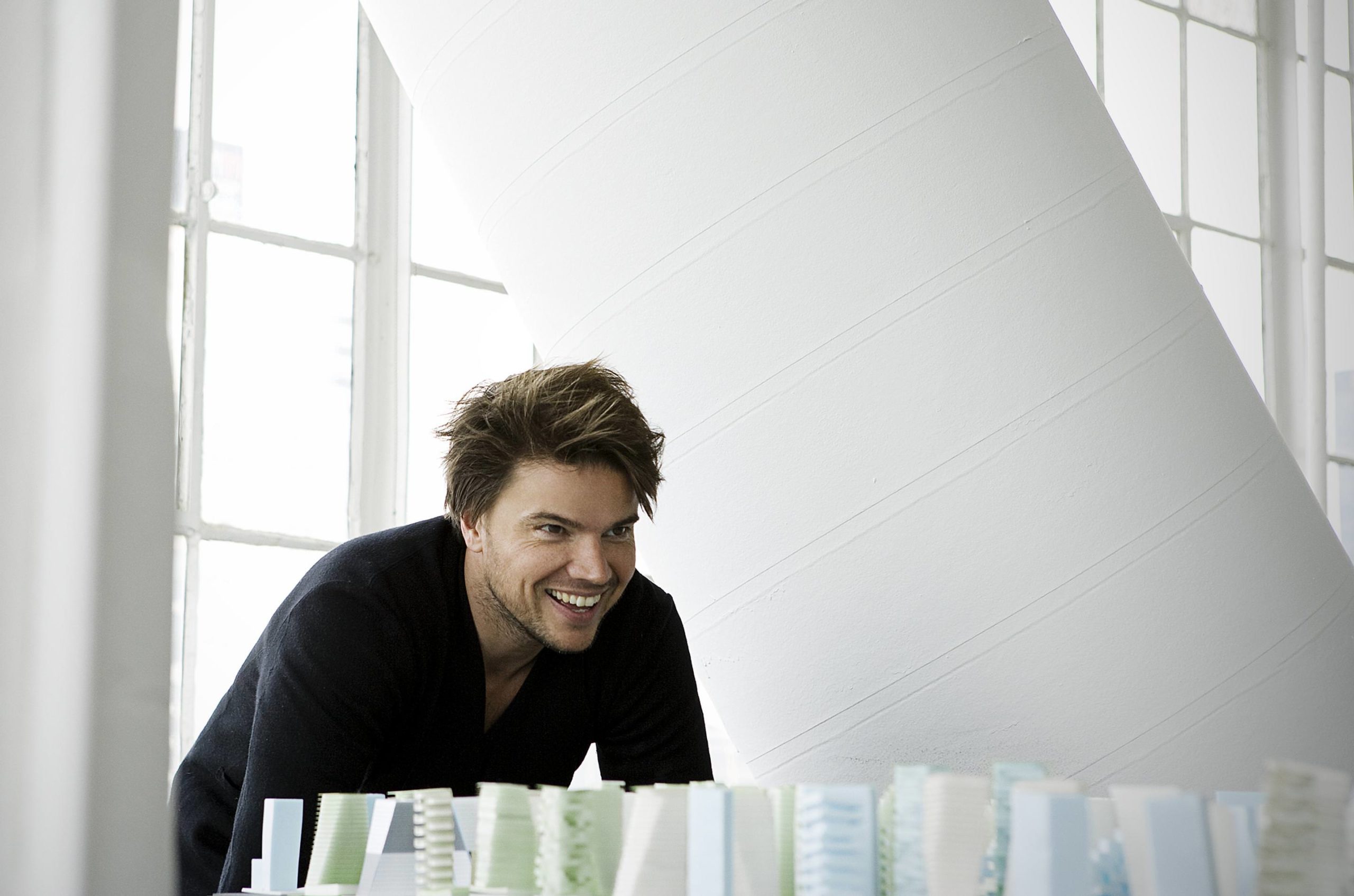
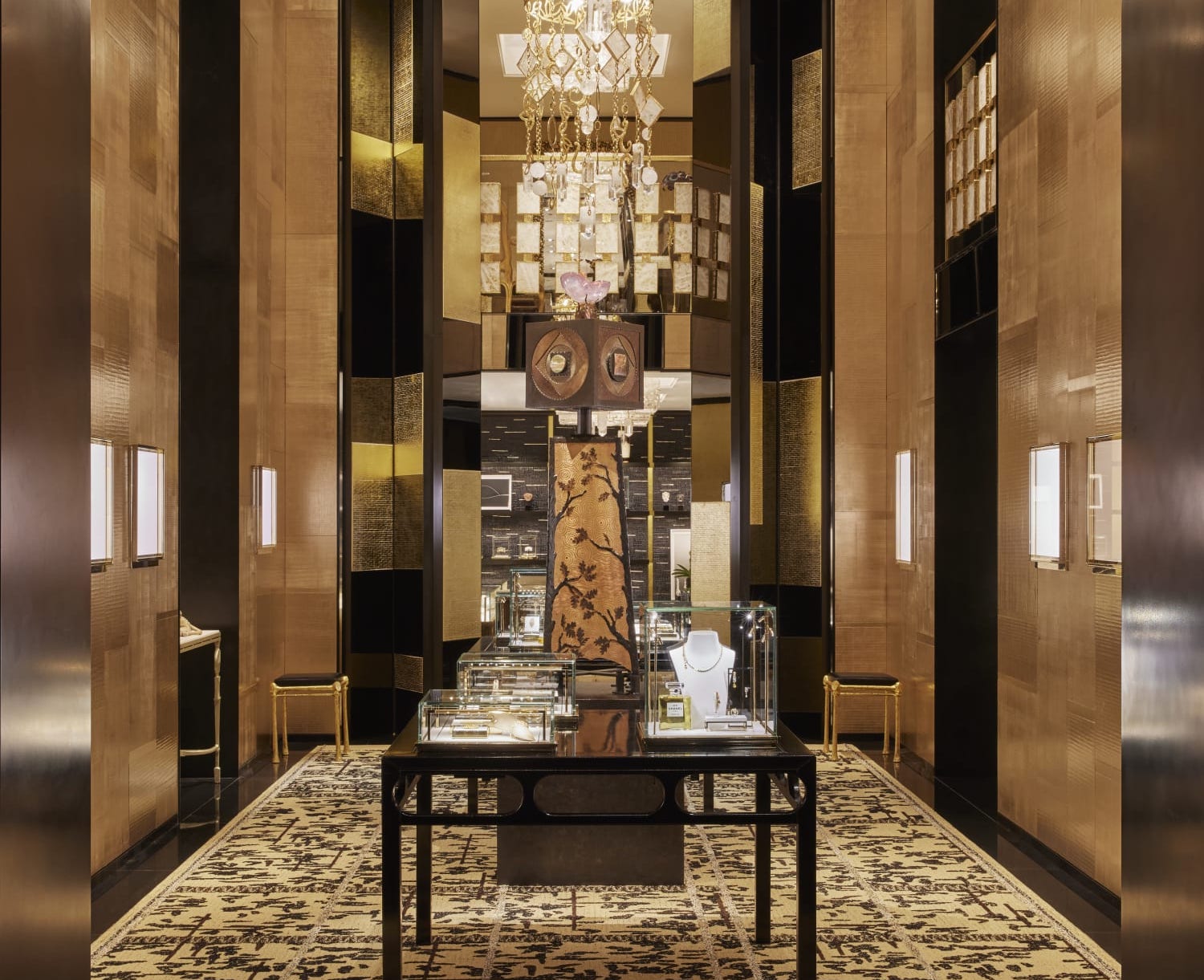
Snøhetta, the architecture firm behind the design, approached the 150-year-old cast-iron flagship with what director Anne-Rachel Schiffmann calls “a minimal footprint philosophy that emphasizes adaptability and evolution.” As Marc Plasse explained, “The larger mission of this space is really about well-being, wellness, not just for people, but for the planet as well.”
Every material decision was made with both immediate function and long-term consequence in mind. “We wanted to have an interior that has a very light footprint on the environment, on the climate, really making sure that what we were doing, very little of it would end up being discarded or trashed at the end of its retail life.”
The wood flooring isn’t nailed down but clipped in place. “A good wood floor can be good for 40 years. So we specify the type of wood that’s only clipped in place… in 10 years, if they renovate or move location, that wood can be unclipped and taken with them, or given or sold to someone that I’ve used very easily.” Aluminum was chosen for its recyclability. Biogenic materials contain no harmful chemicals: “everything can be bio digested, composted after.”
The Consumer as Catalyst
 Courtesy of 113 Spring.
 Courtesy of 113 Spring.
As someone who has spent my career at the intersection of luxury, consumer behavior, and healthy longevity, I’ve seen how consumers are driving transformation in healthcare and wellness. We’re informed, demanding, and increasingly unwilling to accept trade-offs between personal benefit and planetary cost.
Head of 113 Spring Ajene Green puts it simply: “We’re not just another spa. We’ve created a well-being space that combines personalized services, expert programming, and experiences under one roof. We work with a multi-disciplinary group of innovators to ensure everything we offer benefits not just individuals, but the community, and the planet as well.”
This is where luxury and longevity converge in their most evolved form. True luxury isn’t about excess – it’s about integrity and cohesion. It’s about spaces that understand your well-being is inextricable from the well-being of the systems that sustain you.
Living Systems, Not Fixed Structures
 Courtesy of 113 Spring.
Perhaps most radically, 113 Spring has reimagined its organizational model through the “Pollinators Program”, a nature-inspired approach that treats growth as work’s central purpose. It’s “the antithesis of hustle culture,” as Green describes it.
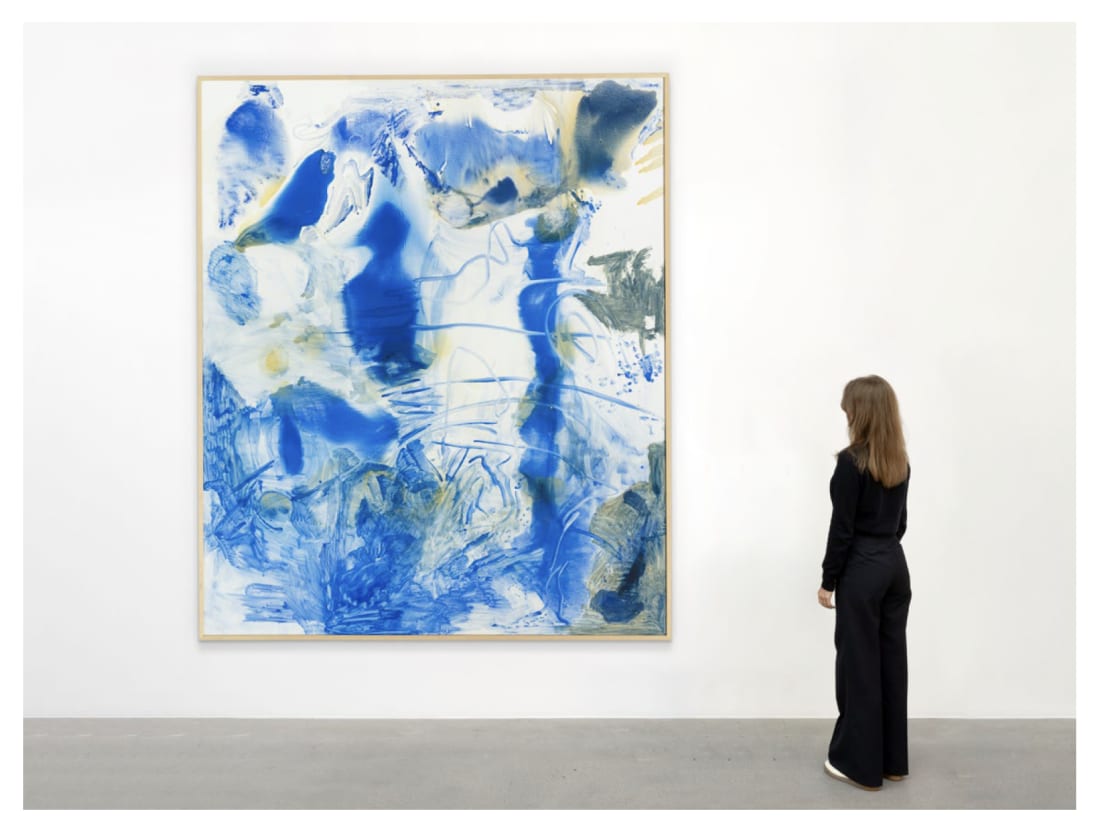
Longevity – both human and planetary – isn’t achieved through static perfection but through adaptive resilience. The space embodies this through SpringOS, which orchestrates digital displays and lighting in response to guest movement, weather, and circadian rhythms.
 Courtesy of 113 Spring.
 Courtesy of Julia Klim, photo by Julien Mitchell.
The opening theme, “Presence is the Present,” will give way to new themes every three to six months. This cyclical approach may be the space’s most profound statement about longevity. The question isn’t how to make things permanent, but how to design for graceful transformation.
The definition of longevity itself is evolving as we recognize that environmental toxins and climate change directly impact our ability to extend human healthspan. Spaces like 113 Spring offer a blueprint for what comes next. Not wellness as escape, but as engagement. Not longevity as individual optimization, but as collective responsibility. This is the future of well-being: a recognition that living well and living responsibly are two expressions of the same fundamental truth.
113 Spring is located at 113 Spring Street, New York, NY. Visit 113spring.com or follow @113spring.