

During Paris Art Week, French Collection 2026 will bring together an international community of collectors, designers, interior architects, and art lovers at one of Paris’s most storied private residences. From October 20–25, the French Center of Design will take over the Mona Bismarck, presenting a considered selection of contemporary French art and design alongside collectible pieces, métiers d’art, and 20th-century re-editions.
Now in its fourth edition, French Collection was founded in 2020 by Kira Hosany, founder of the French Center of Design, with a clear ambition: to introduce the world to the vitality of contemporary French creation while celebrating the country’s deep decorative arts tradition. This year’s presentation brings together creators and maisons whose work speaks to the enduring idea of French taste—but, importantly, also to its ability to evolve.
“I created French Collection with a desire to share with the world the very essence of French style and the richness of contemporary creation,” said Hosany. “It is a celebration of French aesthetics, decorative arts, and timeless luxury.”
“It is a celebration of French aesthetics, decorative arts, and timeless luxury.”
—Kira Hosany
Hosted in the Mona Bismarck’s historic salons overlooking the Seine and Eiffel Tower, the exhibition becomes more than a presentation of individual works. Each creator takes over a distinct room, allowing the architecture and interiors of the former private mansion to become part of the experience. Sculptural furniture, contemporary works, collectible design, traditional craftsmanship, and re-editions will unfold throughout the residence, creating a dialogue between past and present.
Inside the Mona Bismarck
 Courtesy of French Collection and Mona Bismarck.
The setting is beautiful, yes, but quite fitting for a very French exhibition. Located at 34 avenue de New York, the Mona Bismarck is a late-19th-century neoclassical mansion with a long history of cultural exchange between France and the United States. Its former resident, Mona von Bismarck, was born in Kentucky in 1897 and became one of the most celebrated women of her era. In 1933, she was named the best-dressed woman in the world by a jury of couturiers that included Gabrielle Chanel, Madeleine Vionnet, Jeanne Lanvin, Lucien Lelong, and Edward Molyneux.
A devoted client of Cristóbal Balenciaga and a subject of Salvador Dalí, Mona Bismarck cultivated a world where fashion, art, design, and society naturally intersected. She commissioned Stéphane Boudin of Maison Jansen to decorate the mansion, transforming it into a sophisticated meeting place for leading figures from the worlds of fashion, art, and culture.
This legacy remains embedded in the architecture, too. Across more than 1,000 square meters, some ten salons unfold en enfilade, marked by refined wood paneling, high ceilings, period moldings, gold leaf, fireplaces with trumeau mirrors, and noble wood parquet floors. A private landscaped garden adds another layer of intimacy. During French Collection, these rooms will provide a backdrop for a new generation of French creative expression—one that respects history without becoming bound by it.
Where Heritage Meets Contemporary Creation
 © Veronese, Courtesy of French Collection and Andrée Putman.
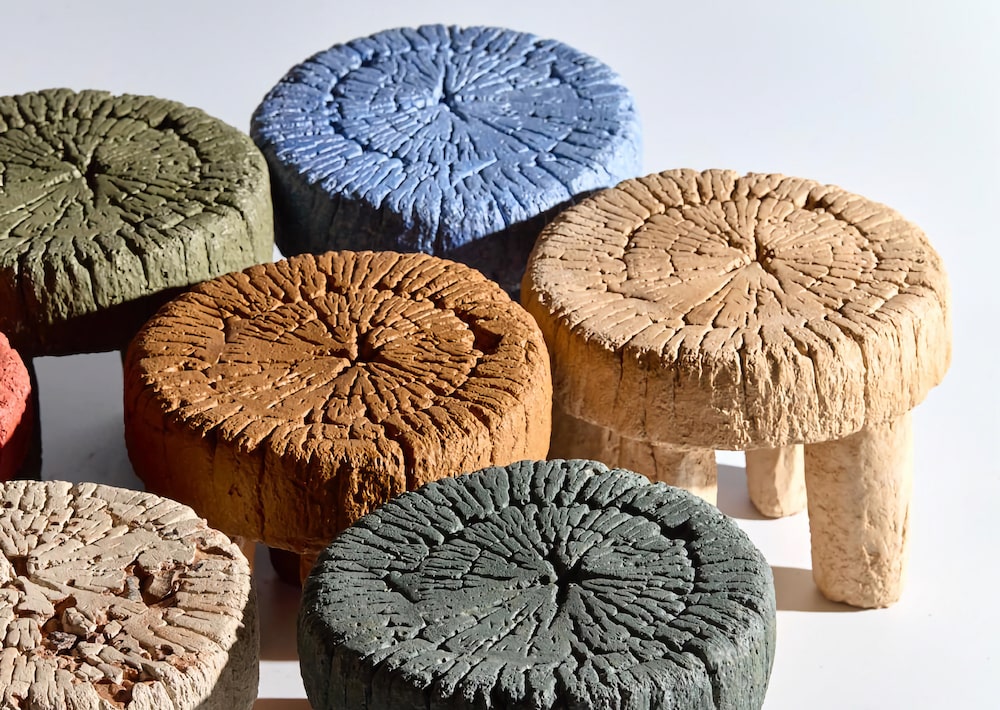
Among the participating creators is Erwan Boulloud, who will occupy the intriguing Chinese salon. Known for his sculptural approach to materials and his ability to transform wood, metal, and other elements into objects that feel simultaneously organic and architectural, Boulloud’s presence speaks to the exhibition’s interest in design as both functional object and work of art.
Andrée Putman will be represented in the magnificent Belle Époque salon, bringing the work of one of France’s most influential design figures into conversation with the historic interiors. Putman’s legacy—from interiors and furniture to her distinctive approach to modern French elegance—has helped define an aesthetic that remains recognizable around the world.
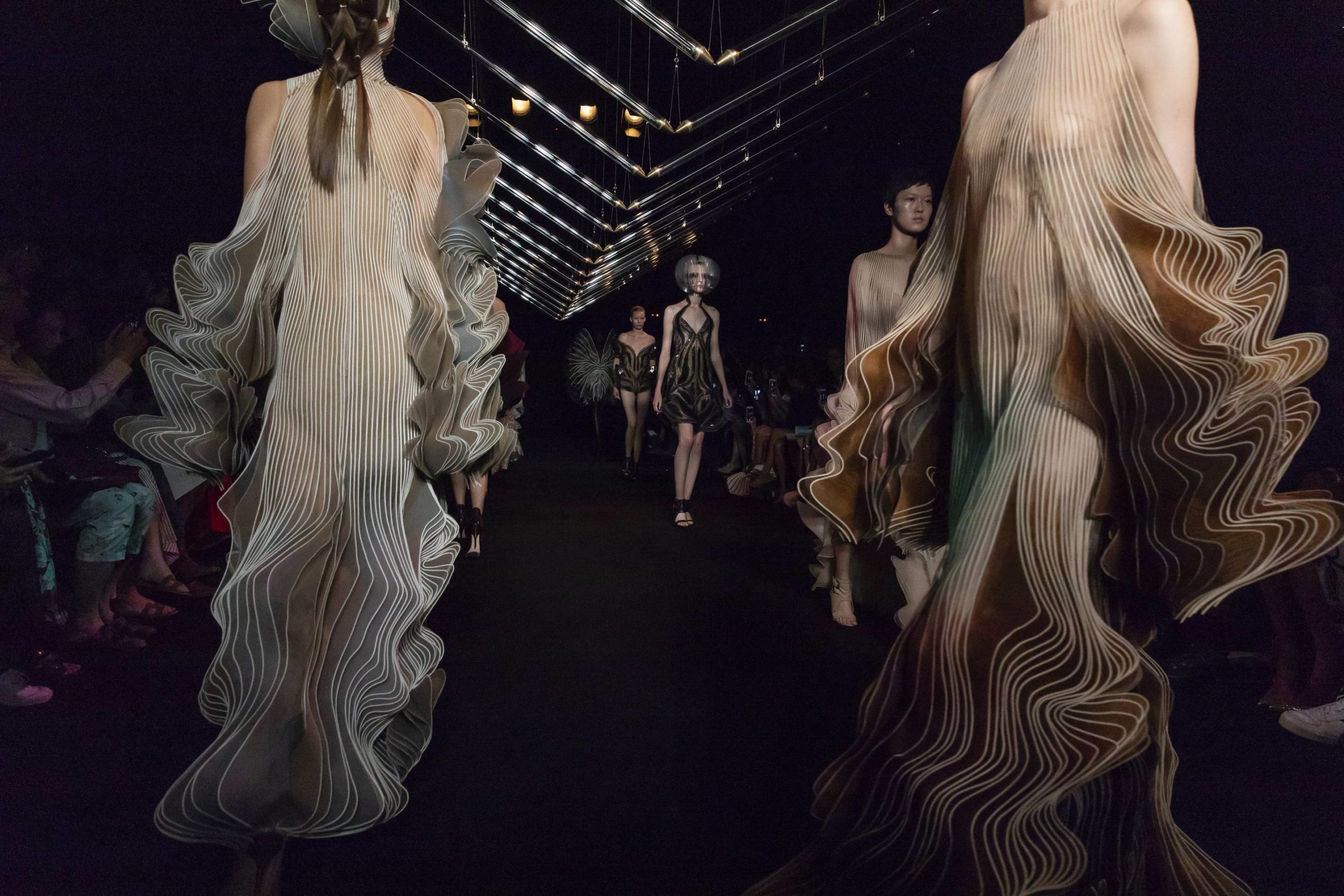
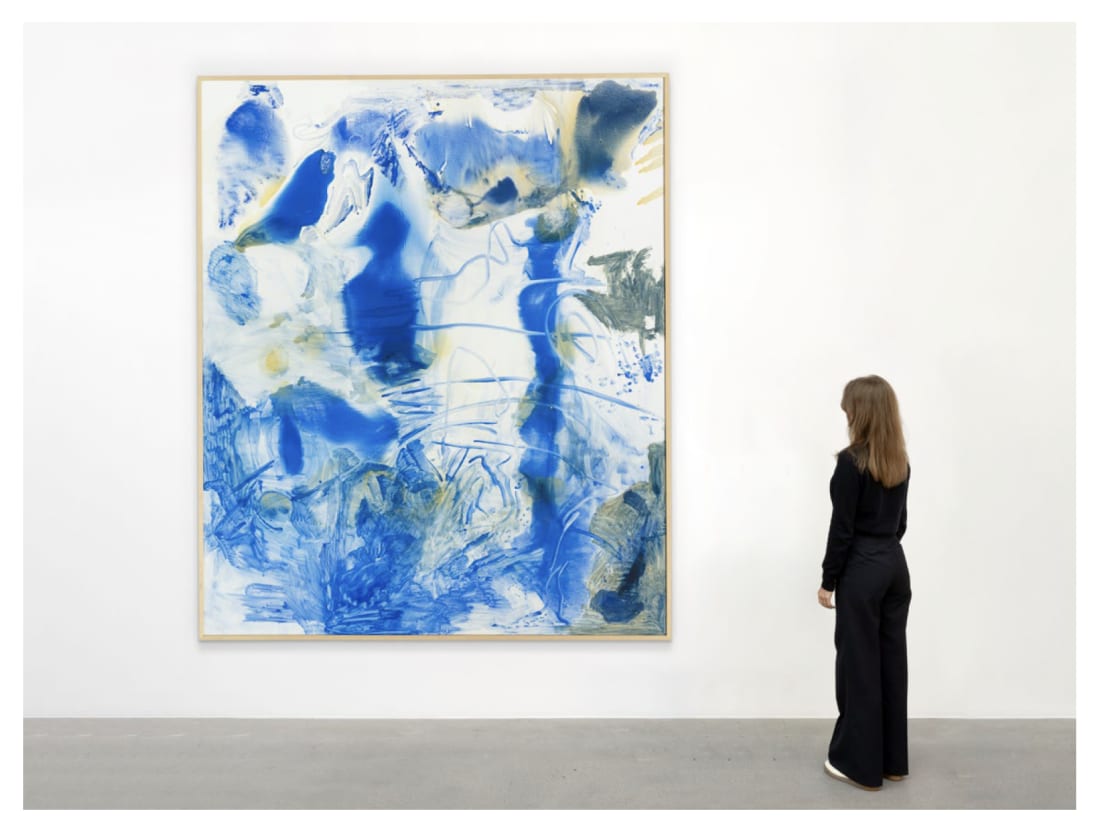
They will be joined by Pierre Bonnefille, William Guillon, and Reda Amalou, alongside four French Emblem manufacturers: Taillardat, Craman Lagarde, Vernaz & Filles, and Émaux de Longwy. Together, the selection underscores the breadth of French decorative arts today, moving between contemporary experimentation and highly specialized craftsmanship.
The Living Language of French Craftsmanship
 Courtesy of French Collection and Reda Amalou.
 Causeuse One2one, © Adel Slimane Fecih, Courtesy of French Collection and Reda Amalou.
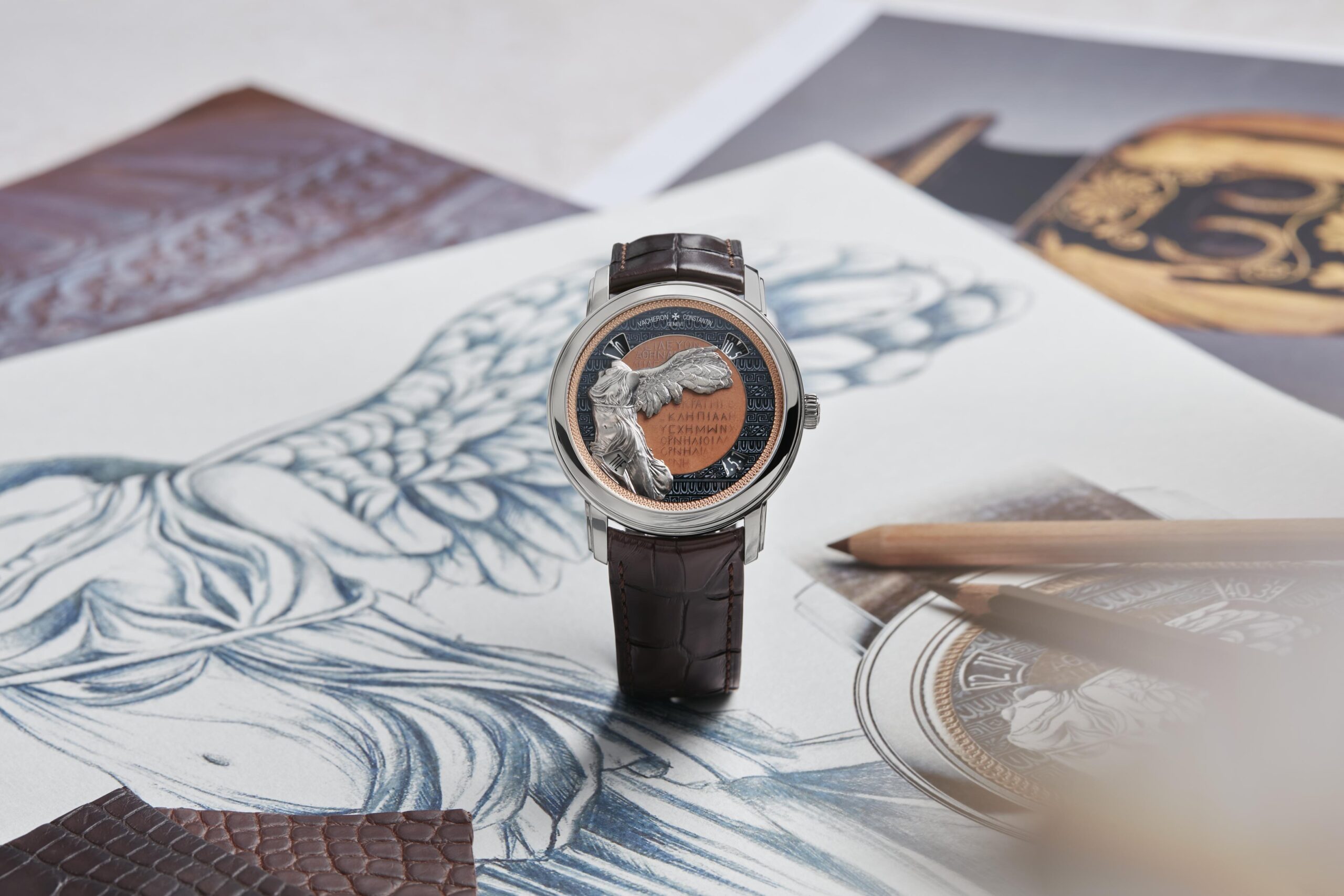
Taillardat, Craman Lagarde, Vernaz & Filles, and Émaux de Longwy represent the kind of savoir-faire that has long been central to French interiors. Their inclusion is significant not simply as a nod to tradition, but as evidence of the continuing relevance of techniques passed from generation to generation. In French Collection, craftsmanship is treated as a living language—one capable of taking on new forms, contexts, and collaborations.
The exhibition will also feature a site-specific installation by Harry Nuriev, founder of Crosby Studios, in the grand historic salon facing the Eiffel Tower. Nuriev, an internationally recognized artist and designer who has made Paris his adopted city, will use the space to reflect on that connection. His installation adds a distinctly contemporary voice to the historic residence and reinforces French Collection’s larger interest in cultural exchange.
A French Aesthetic, Reimagined
 Courtesy of French Collection and Reda Amalou.
It is this juxtaposition that gives the exhibition its character. Rather than presenting French design as a fixed aesthetic, French Collection approaches it as a conversation. Heritage appears not as something to preserve behind glass, but as material to reinterpret. The result is a vision of French style that can move comfortably between a historic mansion, a contemporary art installation, a collectible chair, a sculptural object, and the meticulous work of a centuries-old manufacture.
Hosany’s work with the French Center of Design has been guided by a similar philosophy. Founded in 2012, the organization was created to connect international professionals with the excellence of French decorative arts and to support French creators on a global stage. Over the past 14 years, the French Center of Design has supported more than 250 French maisons in their export development, introduced 2,000 international professionals to the French market, and organized more than 200 events.
Before founding the organization, Hosany studied at Sciences Po Paris and began her career in economic diplomacy. She later returned to her childhood passion for the decorative arts, bringing her experience in international relations and high-level cultural programming to the world of French design. Through the French Center of Design, she has developed a platform that extends beyond exhibitions, organizing private visits to architectural treasures and art foundations, meetings with designers, atelier and studio visits, and dining experiences that introduce international audiences to different facets of French art de vivre.
The Vision Behind French Collection
 Emblem, Hôtel 1 Place Vendôme, Courtesy of French Collection.
French Collection is perhaps the clearest expression of that mission. Designed specifically to welcome collectors and interior architects to Paris during Paris Art Week, the exhibition creates an environment where discovery happens through proximity: to creators, to materials, to craftsmanship, and to the spaces in which the works are presented.
“A collection, in my view, is not just a series of objects, it’s a carefully composed narrative in which each piece resonates with the others to unfold a common story,” said Hosany.
At the Mona Bismarck, that story gains another layer through the history of the house itself. A residence created for an American tastemaker who embraced French fashion, art, and design, it now becomes a stage for contemporary French creativity to meet an international audience. The connection feels especially natural during Paris Art Week, when the city becomes a gathering point for the global art and design community.
A New Chapter for French Design
 Bureau Confidence, chêne situation, Courtesy of French Collection and Andrée Putman.
 “What remains of us,” Sconce I, © Sarah Murillo, Courtesy of French Collection and William Guillon.
French Collection 2026 makes a case for French design not through nostalgia, but through renewal. Its creators and maisons share an emphasis on material, gesture, precision, and quality, while approaching those values through distinctly individual perspectives. Together, they reveal a French aesthetic that is less about a singular look than a way of thinking—one grounded in history, but always ready to reinvent itself.
Hosany elaborated, saying, “Contemporary French creation is a unique blend of rich heritage, exceptional aesthetic culture, and powerful creative energy.” At the Mona Bismarck this October, that energy will be on view salon by salon, object by object, offering a portrait of French design as it exists today—and a glimpse of where it could go next.