

Paris Fashion Week may have brought fashion month to a close last week, but some of its most compelling details are only now coming into focus. After countless Spring/Summer 2027 runway images, videos, and collection reviews, it is often the smallest gestures—a shifting hemline, an unexpected accessory, the way fabric catches the light—that linger after the final walk.
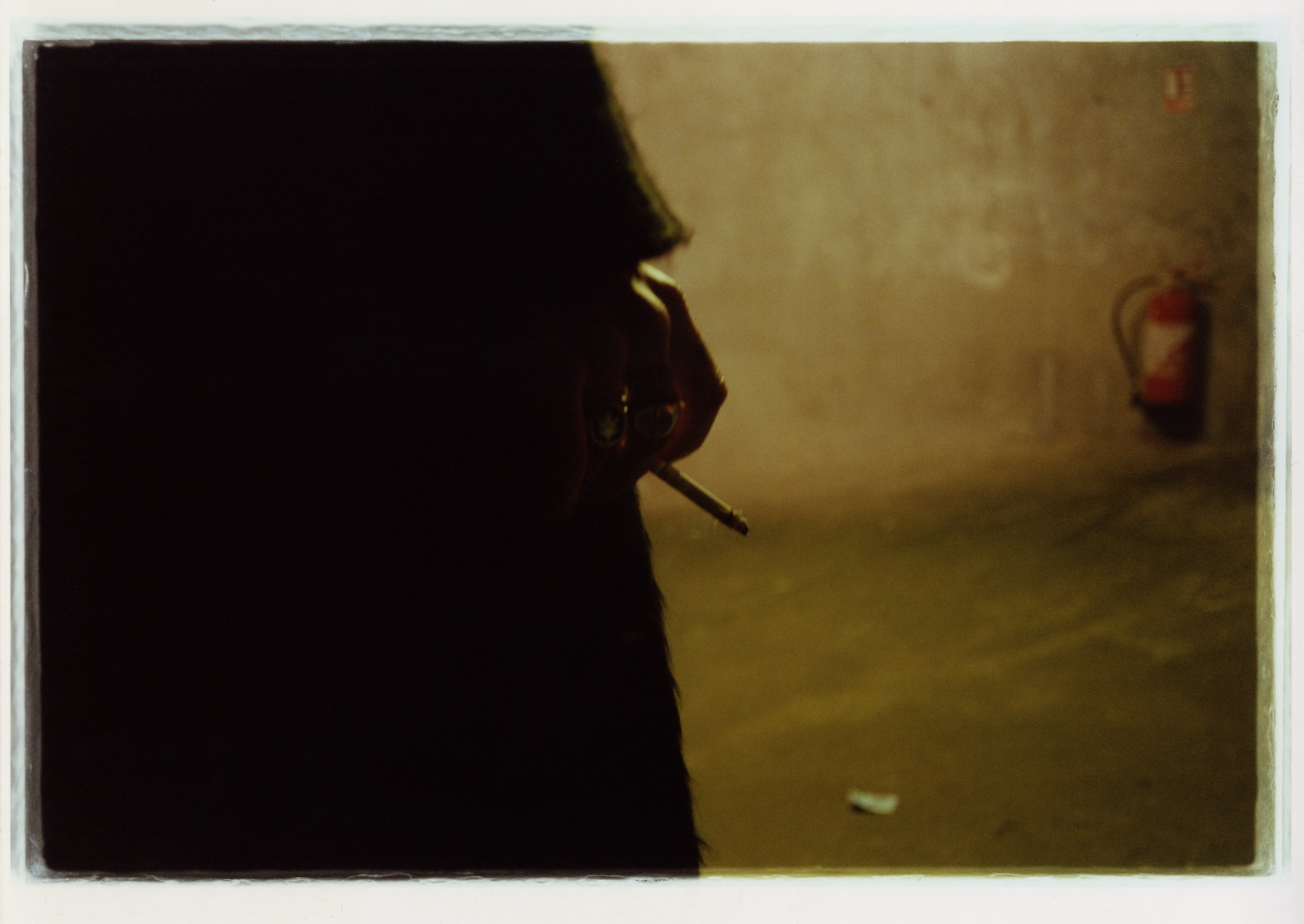
Photography gives these fleeting moments a second life. For photographers like Hugo Di Zazzo, fashion month is a relentless rhythm of shows, hurried journeys across cities, and hours spent securing the right position, all for a few seconds in which a collection reveals itself through the lens.
Following Milan, where Di Zazzo set out to capture “what makes each house unique: a detail in the cut, the energy of the teams, the moment a collection comes to life,” Paris offered another opportunity to look beyond the spectacle. His photographs are less about documenting every passing look than translating the atmosphere, movement, and emotion of fashion into a two-dimensional image.
Acne Studios
 Photo by Hugo Di Zazzo. Courtesy of Acne Studios.
 Photo by Hugo Di Zazzo. Courtesy of Acne Studios.
Jonny Johansson brought together 17th-century naval history, Renaissance portraiture, Rococo extravagance, Marie Antoinette, piratecore, and rugged Americana on the Acne Studios runway. Titled “Denim Hystoria,” the collection unfolded in layers upon layers, with jeans, skirts, shirts, blazers, and loosely tied scarves building eclectic silhouettes. An exploration of materials introduced contrasting textures that caught and absorbed the light. Backstage, voluminous hair and undone braids favored a rugged, bohemian sensibility over polished curls. A subtle flush of blush warmed the cheeks, as though the models had just returned from a brisk walk outdoors. The romance of centuries past found new expression in the rugged familiarity of denim.
sacai
 Photo by Hugo Di Zazzo. Courtesy of sacai.
 Photo by Hugo Di Zazzo. Courtesy of sacai.
After a brief hiatus, Chitose Abe returned to the runway with sacai, exploring the idea of the “undiscovered self.” A restrained palette of white, brown, black, and burgundy unfolded through gradually deconstructed silhouettes. Sheer textiles, fringe, embellishments, fur, and high collars swayed with each step, sometimes framing the face entirely. Prints mimicking fur and knitwear played against their real counterparts, blurring the line between illusion and reality. Accessories moved with the body, while sculptural collars and necklaces drew attention to the face, revealing an intense gaze beneath.
Julie Kegels
 Photo by Hugo Di Zazzo. Courtesy of Julie Kegels.
For her namesake collection, Belgian designer Julie Kegels explored the psychological and physical weight of being pulled toward the Earth’s core. Across 42 womenswear looks, structure gave way to gravity in the designer’s first runway show since winning the 2026 LVMH Prize in September. Low-crotch tights, low-slung draped skirts, sagging waistlines, trailing hems, crisp shirts, and liquid metallic dresses played with the sensation of being pulled downward. Despite the lightness of the materials, a sense of weight persisted throughout. Hair was slicked back and kept deliberately simple, keeping the focus on the silhouettes and their gravitational pull.
Stella McCartney
 Photo by Hugo Di Zazzo. Courtesy of Stella McCartney.
 Photo by Hugo Di Zazzo. Courtesy of Stella McCartney.
Stella McCartney explored the underwater world in Paris, opening with the words of David Attenborough in the verdant gardens of the British ambassador’s residence. Airbrushed graphic tees recalled seaside souvenir shops, while wave-patterned hemlines, sculptural knitwear, and marine motifs evoked ocean life. Seafoam, sage green, coral, blush, and pale blue washed over fluid silhouettes, contrasting with tailored suits and layered sportswear. Fishing-line crinolines lent an organic lightness, while Falabella bags made from recycled plastic waste reflected the collection’s environmental message. Miranda Kerr also appeared on the Paris Fashion Week Spring/Summer 2027 runway.
Dries Van Noten
 Photo by Hugo Di Zazzo. Courtesy of Dries van Noten.
 Photo by Hugo Di Zazzo. Courtesy of Dries van Noten.
Julian Klausner turned to cinema, imagining an actress stepping off set and experimenting with her own visual identity. Against the concrete walls of the Dries Van Noten show space, different personas emerged through changing makeup looks, brooches, cinched belts, and layered necklaces. Handbags were tucked beneath arms, held loosely in gloved hands, or carried with an almost careless ease. Layers appeared mismatched at first, yet came together with intention, capturing the glamour and spontaneity of dressing for oneself rather than a role.
Matières Fécales
 Photo by Hugo Di Zazzo. Courtesy of Matières Fécales.
Following last season’s “The One Percent,” Matières Fécales designers Hannah Rose Dalton and Steven Raj Bhaskaran turned their attention to marginalized communities and working-class lives. Across 99 looks, a diverse cast of ages, body types, and subcultures moved through three chapters: Family, Tribe, and Gods. White, red, black, and blue silhouettes unfolded through linen suits, cotton shirts, raw-edged silk trenches, micro-pleated chiffon skirts, and headscarves. Tension built toward a finale in which a model carried a life-sized doll representing a billionaire exploiting the marginalized.
Cécilie Bahnsen
 Photo by Hugo Di Zazzo. Courtesy of Cécilie Bahnsen.
For her eponymous label, Cécilie Bahnsen presented “Any Given Day,” bringing couture craftsmanship, romantic silhouettes, and sculptural volumes into the everyday. Denim and workwear met liquid silk and lace, while exaggerated panniers pushed dresses outward at the hips. Sequins adorned lips and faces, adding subtle flashes of light. Free of heavy accessories and elaborate styling, the models moved between the ease of daywear and the romance of evening dressing, blurring the boundaries between the two.
Alain Paul
 Photo by Hugo Di Zazzo. Courtesy of Alain Paul.
In a darkened room, tiny beams of light flickered across the Paris Fashion Week Spring/Summer 2027 runway as Alain Paul invited guests into the atmosphere of a rave, each armed with a flashlight. Following last season’s study of light, the designer imagined dancers leaving the stage for a night out. Tights, bodysuits, stirrup pants, pointed pumps, wraparound sweaters, and low-slung leather trousers borrowed from the dancer’s wardrobe. Fabrics stretched, wrapped, and layered around the body, moving between utility and nightlife. Flashlights caught glimpses of silver bustiers, lamé tape, nylon tops, and distressed denim, revealing a collection suspended between sporty ease and after-dark glamour.
Akris
 Photo by Hugo Di Zazzo. Courtesy of Akris.
 Photo by Hugo Di Zazzo. Courtesy of Akris.
Albert Kriemler opened Akris with a sheer red silk-knit gown, its flared skirt swaying against the stark white Paris Fashion Week Spring/Summer 2027 runway. Jackets with peplum flaps followed, alongside knitwear, sashes, ribbons, jacquards, and translucent layers. Pannier-like details wrapped around the body, introducing sculptural volume, while lightweight fabrics rippled and shifted with each step. Nothing felt spontaneous; each element was carefully considered, layered, and placed. Against the vast white space, every look emerged as a distinct composition of color and texture, drawing the eye to the movement of fabric and the interplay of structure and transparency.
Torishéju
 Photo by Hugo Di Zazzo. Courtesy of Torishéju.
Across 33 looks, Torishéju Dumi sent sculptural silhouettes down the runway in black, white, and charcoal, interrupted by flashes of red, blue, and green. Exaggerated shoulders jutted outward, while leopard prints, lace, ruffles, stripes, and checkerboard patterns disrupted the otherwise restrained palette. Belts transformed into tops, wrapping tightly around the body as sharp lines and unexpected proportions played with form. Silhouettes moved with a measured stillness, each fold, curve, and angular detail revealing itself gradually with every step.
Comme des Garçons
 Photo by Hugo Di Zazzo. Courtesy of Comme des Garçons.
“When royal life and everyday life become one,” offered Rei Kawakubo as the sole prompt for Comme des Garçons. Rather than opulent fabrics, raw denim, railroad stripes, and checked fabrics formed billowing silhouettes with inflated shoulders, curved hips, and spherical proportions. Padded crowns perched atop the models’ heads, while red tulle spilled through jagged cuts and beneath exaggerated layers. The show concluded with four denim looks tracing a woman’s life from childhood and adolescence to businesswoman and bride, transforming humble materials into a peculiar vision of royalty.
Noir Kei Ninomiya
 Photo by Hugo Di Zazzo. Courtesy of Noir Kei Ninomiya.
Titled “Petal Rebellion,” Noir Kei Ninomiya traded punk aggression for the delicate softness of the botanical world. Petals bloomed across rigid silhouettes, translucent crinolines, and coatdresses adorned with pearls. Fresh flowers mingled with dried blooms, while roses rested between lips and floral headpieces appeared to grow from the body. Tight, doll-like curls introduced a gothic edge, contrasting with bows, ruffles, pearls, and playing cards scattered throughout the collection.
Junya Watanabe
 Photo by Hugo Di Zazzo. Courtesy of Junya Watanabe.
 Photo by Hugo Di Zazzo. Courtesy of Junya Watanabe.
Junya Watanabe’s “Funky” collection lived up to its name, with chandeliers suspended from head-to-body harnesses, deconstructed biker jackets, trench coats, and catsuits. Athletic base layers disappeared beneath elaborate constructions of breastplates, wire dresses, jackets, and pearl necklaces. Body jewelry swung and rattled with each step, bringing movement and sound to the Paris Fashion Week Spring/Summer 2027 runway. Maximalist assemblages transformed familiar garments into sculptural forms, offering a playful, contemporary take on punk. A cameo byCiara drew an enthusiastic response from the audience.
Enfants Riches Déprimés
 Photo by Hugo Di Zazzo. Courtesy of Enfants Riches Déprimés.
 Photo by Hugo Di Zazzo. Courtesy of Enfants Riches Déprimés.
With a painting by Antoni Tàpies looming in the background, founder Henri Alexander Levy moved Enfants Riches Déprimés beyond its raw punk grunge toward mature, structured tailoring. Exploring the lingering effects of an emotionally distant childhood, silks, linens, and wools took shape through asymmetric lapels, contrast stitching, coin belts, and studs. Beneath the polished silhouettes, a darker energy persisted, lending weight to their elegance. The unease of growing up gradually softened, though never entirely disappeared.
Casablanca
 Photo by Hugo Di Zazzo. Courtesy of Casablanca.
 Photo by Hugo Di Zazzo. Courtesy of Casablanca.
Charaf Tajer brought the beaches of Brazil to Paris’s Espace Niemeyer for Casablanca’s “Amor e Progresso.” Against a lush tropical backdrop, silk wraps, jerseys, and sportswear mingled with asymmetric hemlines, body-conscious silhouettes, beaded fringe, and vibrant graphic motifs. The collection captured the easy informality of beach life, where distinctions between casual and formal dressing dissolve. Fabrics clung, draped, and moved around the body, evoking a sun-soaked world where elegance and ease coexist, and a little sand is inevitable.
CFCL
 Photo by Hugo Di Zazzo. Courtesy of CFCL.
In a surreal, dreamlike living room, chairs appeared to sink into the floor as fruit lay scattered around the space. For CFCL’s “Knit-ware: Harmony,” Yusuke Takahashi explored the emotional relationship between clothing and the body, finding hope in brightness and lightness. Computer-aided 3D knitting transformed recycled fibers into voluminous garments, while the signature POTTERY series introduced balloon-like silhouettes. Transparent layers, lace motifs, and translucent knits played with perception, revealing glimpses of the body beneath shifting textures.
Christopher Esber
 Photo by Hugo Di Zazzo. Courtesy of Christopher Esber.
Christopher Esber brought a rock ’n’ roll edge to the Paris Fashion Week Spring/Summer 2027 runway, exaggerating overlooked menswear details into oversized pocket squares, cuffs, belts, and studs. Distorted proportions reshaped familiar silhouettes, moving between masculine tailoring and sensual womenswear. Deadstock fabrics from the 1950s added vintage texture, while Anna Stüdeli’s abstract collages appeared on satin. Fabrics wrapped, draped, and shifted around the body, with sculptural forms revealing an interplay of sharp structure and softness.