



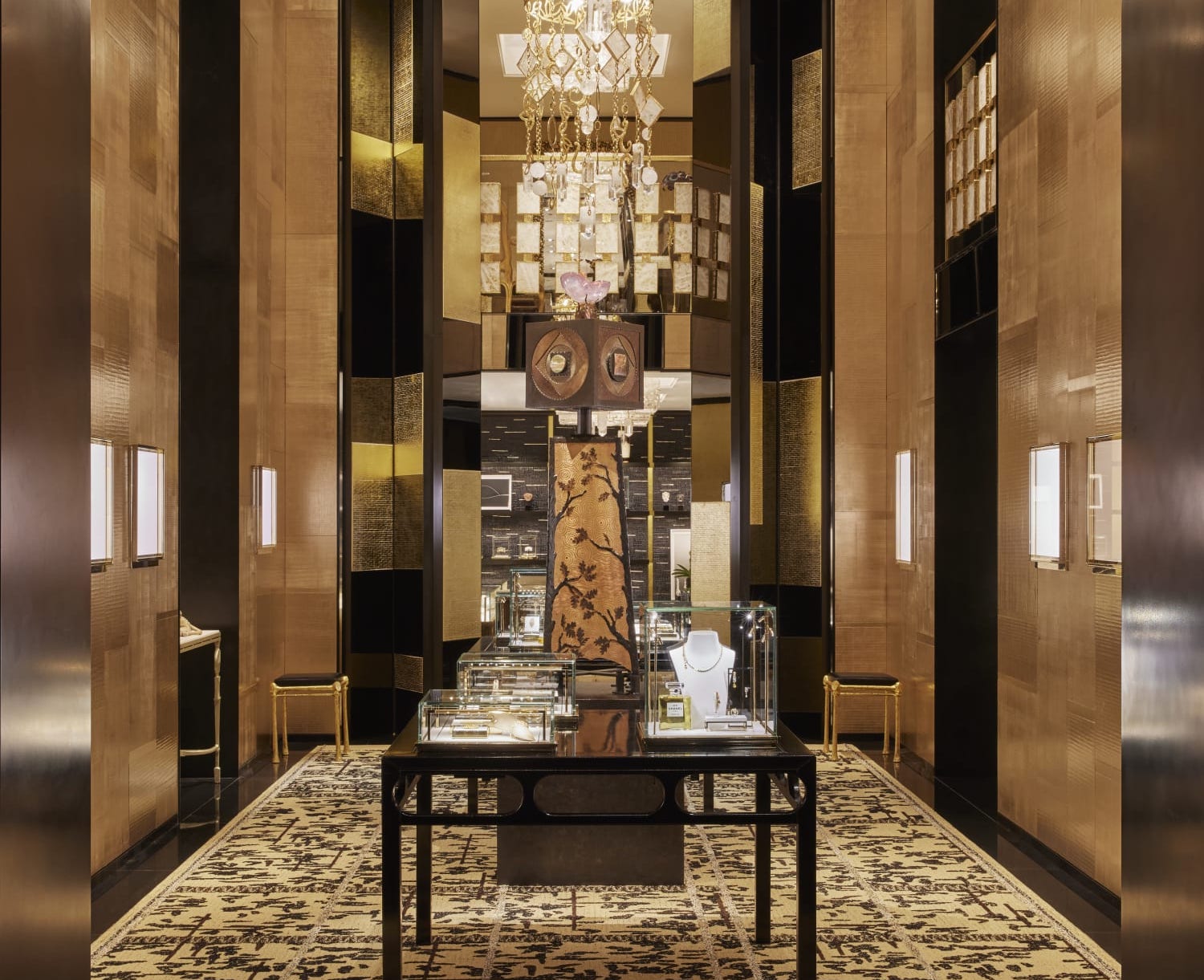


At Pulitzer Amsterdam, the city’s culinary and cocktail cultures unfold within a collection of 25 interconnected 17th- and 18th-century canal houses overlooking the Prinsengracht and Keizersgracht. The historic hotel pairs Dutch character with contemporary design for an incredible visit for locals and visitors alike—from its thoughtfully reimagined guest rooms to the seasonal cuisine of Jansz. and the intimate, Art Deco-inspired setting of Pulitzer’s Bar.
 Portrait of Jeroen Boone and Stefano Pastorino. Photo by Ashkan Mortezapour Photography. Courtesy of Pulitzer Amsterdam.
At Jansz., Executive Chef Jeroen Boone puts the Netherlands’ exceptional produce at the center of his cooking, bringing together local ingredients, seasonal traditions, and international influences. Meanwhile, Head Bartender Stefano Pastorino looks to the history of classic cocktails while exploring new forms of sensory storytelling, including Alchemy of Scents, a collaboration with fragrance house D.S. & Durga.
Boone and Pastorino spoke with Whitewall about the ingredients, techniques, and cultural influences shaping their work, and how each creates experiences that feel distinctly connected to Amsterdam.
Dutch Ingredients, Global Influences
 Courtesy of Pulitzer Amsterdam.
WHITEWALL: Jansz. has a connection to Dutch culinary heritage, but the menu feels contemporary. How do you approach balancing tradition with your own modern interpretation of Dutch cuisine? Are there any methods, techniques, or ingredients that help?
JEROEN BOONE: For me, Dutch cuisine starts with Dutch produce. The Netherlands has an incredible reputation for agriculture, fishing, dairy and meat production, and that’s what defines Dutch cooking more than a specific set of techniques. The techniques we use often come from elsewhere, but the ingredients are what ground the cuisine here.
My approach is to work as closely as possible with what the Dutch landscape has to offer, whether that’s fish from the North Sea, shellfish from Zeeland, or vegetables grown locally and in season. I try to let those ingredients lead the menu. The focus is always on showcasing the quality of the produce while using the techniques I’ve learned throughout my career to bring out the best in it.
WW: Local sourcing is central to the restaurant, with producers like Lindenhoff, Kesbeke, and Kaasfort represented on the menu. What do you look for in a local ingredient or producer? What is your relationship like with these entities? How does that relationship influence the way you cook?
JB: I like having a direct relationship with our producers. When we were developing the menu, I spent time with the team at for instance Lindenhoff, walking through the fields and gardens, seeing what was in season and understanding what would be available in the months ahead. That connection to the product is very valuable for us.
At Jansz., we cook quite simply, so the quality of the ingredient has to be exceptional. My role is not to hide a product behind techniques, but to highlight it instead. Whether it’s fish from Jan van As, vegetables from Lindenhoff or cheeses from Kaasfort, I work with producers who are specialists in their field and who consistently source the best local ingredients available.
“The inspiration may come from different places, but the product always remains at the centre,”
—Jeroen Boone
WW: Amsterdam has such a distinctive food culture and history. What ingredients, flavors, or culinary traditions do you most enjoy bringing into the kitchen?
JB: Amsterdam’s food culture goes much deeper than many people realise. The city has been shaped by generations of people from different backgrounds, and those influences are still visible throughout its food scene today. Indonesian, Surinamese and Chinese cuisines have all become part of Amsterdam’s culinary identity.
While we occasionally draw inspiration from those influences, our focus at Jansz. remains on the ingredients themselves. We want guests to immediately recognise what’s on the plate, whether that’s a beautiful Dutch fish, seasonal vegetable or local cheese. The inspiration may come from different places, but the product always remains at the centre.
WW: On the menu, there’s interesting dialogue between Dutch ingredients and flavors from elsewhere, like vadouvan, dashi, XO sauce, and ponzu alongside shrimp, celeriac, Dutch cheese, and Kesbeke pickles. What inspires those combinations?
JB: A lot of those influences come from the multicultural food culture we have in Amsterdam. Some cuisines have an incredible depth of flavour through their use of spices, fermentation and seasoning, and I find that very inspiring. I love taking a fantastic Dutch ingredient and pairing it with techniques or flavour profiles from elsewhere. Not to overpower the ingredient, but to elevate it. A touch of ponzu, dashi or XO can bring an extra layer of complexity while still allowing the Dutch produce to remain the hero of the dish.
The Art of Keeping It Simple
 Courtesy of Pulitzer Amsterdam.
WW: Jansz. is designed to feel “effortless yet elegant.” How does that philosophy translate into the food itself?
JB: That idea is very much reflected in my cooking. My background is in fine dining kitchens, where I learned a wide range of techniques and developed a strong technical foundation. At Jansz., I use those skills to create dishes that feel approachable and comforting rather than overly complex. A plate in Jansz. may look quite simply when it arrives at the table, but there’s often a lot of work behind it. The goal is to create food that feels effortless to the guest while still delivering depth, balance and refinement.
 Courtesy of Pulitzer Amsterdam.
WW: Are there any dishes on the menu that you feel capture the identity of Jansz right now? What makes them special to you?
JB: For me, the sea bass is a perfect example of what Jansz. represents today. It’s a beautiful piece of fish sourced close to home, served with simple sautéed spinach and a classic beurre blanc. On paper, it’s a very straightforward dish. However, if you would look into the entire preparations, the beurre blanc alone takes three days to prepare. That’s what Jansz. is about: allowing exceptional ingredients to shine while layering with techniques.
WW: What do you hope guests take away from a meal at Jansz?
JB: I hope guests are surprised by the depth of flavour. We don’t want dining at Jansz. to feel complicated. It should feel relaxed, welcoming and enjoyable. If guests leave having had a great evening and a meal that felt both comforting and memorable, then we’ve achieved what we set to do.
From Seasonal Cooking to Classic Cocktails
 Courtesy of Pulitzer Amsterdam.
WW: With the seasons changing, the dishes will change, too. What are you looking forward to putting on the menu this fall/winter?
JB: Autumn is actually one of my favourite seasons to cook. I’m looking forward to bringing back richer, deeper flavours such as mushrooms, hazelnuts and other ingredients that naturally belong to that time of year.
There’s something incredibly comforting with these seasonal flavours. Like toasted brioche, cured egg yolk and earthy autumn produce. As the weather becomes colder, guests naturally start craving dishes with a bit more richness and warmth, and that’s always exciting to work with.
WW: What’s your favourite dish on the menu?
JB: I also have a soft spot for the leek. It’s an incredibly simple dish, but often those are the hardest to execute well. We roast the leeks until they’re completely black, leave them overnight in the embers, then peel them back and serve them with a dressing of lime leaf and peanuts. It’s simple, but the flavour is beautiful.
“Autumn is actually one of my favourite seasons to cook,”
—Jeroen Boone
WW: Pulitzer’s Bar has a wonderful tension between old-world glamour and a very contemporary cocktail program. What parts of history or bar legacy did you want to keep, and which parts did you want to feel avant-garde or new?
STEFANO PASTORINO: With every menu we create, we always start from the classics. At the end of the day, none of us invented cocktails. These drinks have been around for 150 years or more and continue to evolve, so there is a lot we can learn from that history. What excites us is taking those timeless classics and elevating them in a way that feels relevant today. That approach also fits the identity of Pulitzer’s Bar. We are a European continental cocktail bar, so there is a natural connection to classic cocktail culture. Rather than reinventing everything, we focus on refining, enhancing and presenting familiar drinks in new and unexpected ways.
WW: The current “Alchemy of Scents” concept explores cocktails through fragrance, in collaboration with D.S. & Durga, which is the amenity brand seen in the rooms. Why did you want to approach mixology through scent? How does it change the way you develop a drink?
SP: Over the past decade, scent has become an increasingly important part of cocktail culture. Before we taste anything, we smell it, so aroma plays a huge role in how we experience a drink.
The collaboration with D.S. & Durga felt very natural because their fragrances already tell such vivid stories. Our challenge was to translate those stories and scents into cocktails while staying true to classic cocktail structures. At first, connecting specific fragrances to particular drinks seemed complex, but once we started experimenting, the process came together surprisingly quickly.
Some of the cocktails mirror their fragrance counterparts remarkably closely. Debaser, for example, captures the spirit of the scent beautifully, while Grapefruit and Leather also have a strong connection to their inspiration. What makes D.S. & Durga especially interesting is that their fragrances are not just about scent; they evoke a mood, a feeling and a lifestyle. Bringing that narrative into the drinks added another layer of storytelling to the menu.
The Stories Behind the Glass at Pulitzer Amsterdam
 Courtesy of Pulitzer Amsterdam.
 Courtesy of Pulitzer Amsterdam.
WW: When you’re creating a new cocktail, where does the process usually begin for you? An ingredient, a scent, a memory, a classic drink, etc.?
SP: It can start anywhere. Sometimes it is a specific ingredient that sparks an idea. Other times it is a memory, a flavour combination, or a classic cocktail we want to reinterpret. Most often, it is a combination of those things. We begin with classic drinks because our guests know and appreciate them. There are certain cocktails that have always been iconic at Pulitzer’s Bar: Old Fashioned, Martini, Negroni or perhaps a twist on one of those classics. From there, we introduce influences from our own experiences, backgrounds and memories. What I enjoy most is that our team is very international. Different nationalities bring different perspectives and flavour memories, and that diversity always leads to more interesting drinks and menus.
WW: There’s an emphasis on storytelling at Pulitzer’s Bar—from the room itself to the drinks. What do you think makes a cocktail memorable beyond being delicious?
SP: For me, it is the entire experience. Of course, the drink matters, but the atmosphere around it is just as important. Pulitzer’s Bar really comes to live during the colder months. The low lighting, intimate corners and cosy atmosphere create an environment where people feel comfortable and relaxed. There is even research showing that softer lighting encourages people to feel less self-conscious and more open in conversation.
What I love about the space is that every seat feels like a good seat. Whether you are sitting at the bar, by the window or tucked away in one of the lounge areas, there is a sense of intimacy. The design, the scale of the bar, and even the fact that we have our own entrance all contribute to making guests feel welcome. Together, those elements help create memories that go beyond the cocktail itself.
“Pulitzer’s Bar really comes to live during the colder months,”
—Stefano Pastorino
WW: The menu brings together Dutch ingredients and spirits, like Wynand Fockink jenever, with influences from around the world. How do you think about Amsterdam’s place within today’s international cocktail culture? Where do you think it stands?
SP: Amsterdam has developed enormously over the past decade. The city’s cocktail scene is stronger than ever, with a growing number of exciting bars and innovative concepts. Hosting Europe’s 50 Best Bars event this year also helped put Amsterdam further into the international spotlight.
What makes Amsterdam special is its diversity. Throughout the city’s long history, people from many different cultures have made Amsterdam their home, and I think that is still reflected in the way the city eats and drinks today. You can see those influences everywhere, from the restaurants to the bars and the ingredients people work with. For a relatively small city, compared to Paris or London, there is an incredible variety of experiences here. Whether you’re looking for a world-class cocktail bar, a traditional brown café, a wine bar or something completely different, Amsterdam has it. That diversity is what makes it such an exciting place to work in hospitality and such a fascinating city within today’s international cocktail culture.
The Details That Make a Drink Memorable
 Courtesy of Pulitzer Amsterdam.
WW: What is an ingredient or technique you’re particularly excited about right now? How are you finding new ways to work with it behind the bar?
SP: One technique that continues to fascinate me is salt fermentation. We have been working with it for several years, and it remains incredibly versatile. It creates deeper flavours, enhances texture and often transforms ingredients in unexpected ways. For example, fermented cherries develop a wonderfully savoury character while retaining their natural sweetness. From there, you can create syrups, cordials or acidifiers that add complexity to a drink.
Another technique we use frequently is clarification. Beyond creating beautifully clear cocktails, it also extends shelf life and helps us work more efficiently behind the bar. It’s important that techniques serve a purpose. We do not use them simply to impress, we use them because they genuinely improve the quality and consistency of what we serve.
“There is something about the setting that makes classic cocktails feel perfectly at home here,”
—Stefano Pastorino
WW: If someone were visiting Pulitzer’s Bar for the first time and asked you to make them one drink that captures the spirit of the bar today, what would you serve them? Why?
SP: It depends on the season, but generally I would guide them towards a spirit-forward classic. Pulitzer’s Bar naturally lends itself to drinks such as an Old Fashioned, Manhattan or Negroni. The atmosphere of the bar encourages that style of drinking. Guests often describe us as feeling like a speakeasy, even though we are not one. There is something about the setting that makes classic cocktails feel perfectly at home here.
Over the past few years, we’ve focused not only on the drinks but also on elevating the guest experience. The more we understand our guests and their preferences, the more personalised their visit becomes. Whether it’s recreating a special cocktail request or celebrating an important occasion, it’s those thoughtful moments that guests remember long after they leave. Recently, we had guests asking for a cocktail they couldn’t find anywhere else in Amsterdam. We researched it, created our own balanced version, and they were delighted. Moments like that are what hospitality is about


